Current generates heat. Vibration changes contact conditions. Damp heat challenges insulation, while installation space determines how a connector can be operated. LLT's development work turns these demands into geometry, samples and records. The October 2026 company presentation traces cable manufacturing to 1999, a focus on waterproof connectors to 2006, and branch-connection products to 2012.
From molding to delivery, each handoff matters. Control points remain tied to the structure, materials and application requirements.
Production site · Company-published photograph
01 / 06
Form starts with fit.
Housing geometry, locating features and mating dimensions are reviewed together. Tooling and molding conditions follow the approved drawing and structure revision.
Molding completeness and appearance
Locating, locking and sealing dimensions
Part revision and material identification
Production site · Company-published photograph
02 / 06
Prepare each connection.
From cutting and stripping to termination, check conductor condition, wire sequence and connection quality. The selected terminal and process specification determine soldering or crimping.
Cut and strip lengths; conductor condition
Wire colors and sequence matched to pin positions
Crimp or solder joint quality
Production site · Company-published photograph
03 / 06
Each part in its place.
Contacts, housings and locking parts are assembled to the specified structure. Terminal position, mating gap and lock engagement are checked against the part drawing. Similar appearance alone does not establish compatibility.
Terminal positioning and insertion
Mating gap and lock depth
Assembly checks against the specified part number
Production site · Company-published photograph
04 / 06
Consider the whole seal.
The mating interface, panel and cable entry each have a sealing path. Seals or potting are applied as required by the product structure, with material, position and curing requirements checked.
Seal position and compression state
Cable entry and structural fit
Potting material and curing process
Production site · Company-published photograph
05 / 06
Verify it against the record.
Electrical, assembly and sealing requirements are checked against the project inspection plan. Records identify the model, sample revision and test conditions; deviations are reviewed after corrective action.
Contact, insulation and withstand checks
Assembly and applicable sealing verification
Deviation isolation, correction and re-verification
Production site · Company-published photograph
06 / 06
A clear basis for release.
Inspection records, product identification and packaging are reviewed together, connecting samples and pilot runs with recurring production. Delivery dates are confirmed against the project plan and production schedule.
Product identification and packaging
Inspection records matched to the batch
Release criteria and delivery planning
Processes depend on product structure and project requirements; termination, potting and inspection plans vary by model. Photographs show the production environment. Approved documents define the specific process.
02 / ENGINEERING
Research lives in the details.
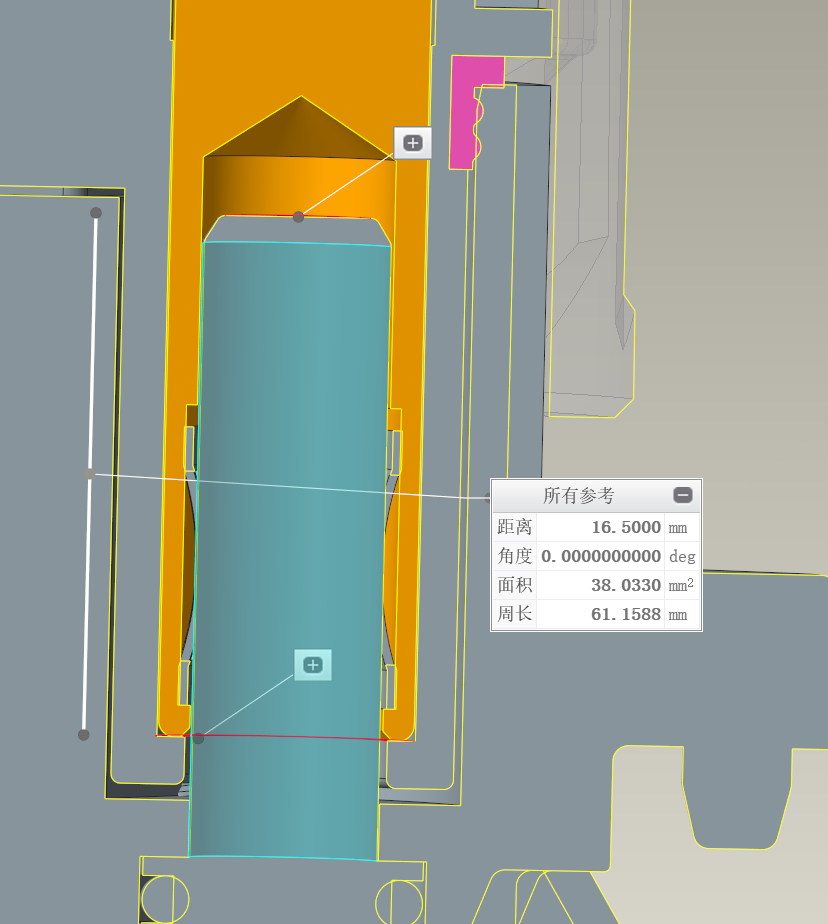
From crown-spring curvature and seal compression to simulation and powered damp-heat tests, company development material records design variables, comparison samples and measurements.
Engineering office · Company-published photograph
CONTACT
Contact under disturbance.
The power-contact case changes the friction stroke from 8.5 mm to 16.5 mm, alongside a crown-spring revision and post-vibration resistance checks.
SEALING
Trace the sealing path.
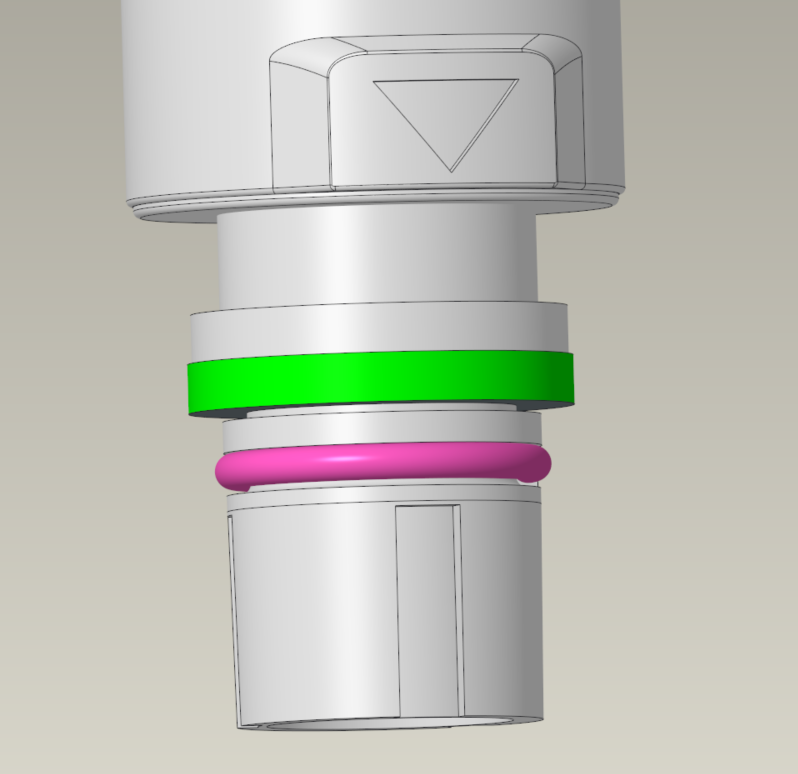
The M8 case compares inner overmoulds and ring sizes; M9 reviews radial rings, face gaskets and the tolerance stack together.
VALIDATION
Keep differences visible.
Mean and maximum pressure decay and low-insulation readings after damp heat are recorded separately. Outlying samples inform the engineering decision.
Information to start an engineering review
Requirement
Information to confirm
Electrical interface
Working voltage, current per contact, pin count and pin assignment
Mechanical installation
Panel or cable-end mating, available space and cable exit; add cutout and panel thickness for panel mounting
Cable matching
Conductor area (mm²) or wire gauge (AWG), jacket outer diameter, cable material and end preparation
Environment and validation
Temperature, vibration, exposure media, ingress protection target and actual test conditions
Put quality requirements into the inspection plan. Verify electrical, mechanical and sealing performance under defined conditions, tied to the specific product revision.
Electrical performance
Verify the contact path and insulation under the specified conditions.
Contact resistance and insulation resistance
Withstand voltage and applicable electrical checks
Mechanical integrity
From mating force to lock engagement, review how the structure fits during assembly and use.
Mating force, positioning and locking
Project-specific durability and vibration review
Sealing and release
Match the sealing structure to the sample state and environment, then review the release records.
Applicable ingress verification and assembly state
Inspection results, deviation handling and batch records
How do validation and certifications apply to a model?
This page describes manufacturing and validation support. It does not state that every model has completed every test or holds every certification. Ratings, ingress protection, materials and certification scope follow the part drawing, applicable certificate and test record. Include the model, operating conditions and target market when requesting documents. Read the technical notes
Read the certification record in context.
The company presentation records high-tech-enterprise recognition in 2023 and an innovative-SME review in 2025, alongside historical IATF and UL documents. System, connector and wire records are presented separately, with their holders, dates and scope.
Connector design, cable processing and assembly share one purpose: finding an interface that fits the equipment. Bring drawings, samples or operating requirements to the discussion.
Company entranceSHENZHEN · LLTCompany reception areaWELCOME TO LLT
From development to products and delivery.
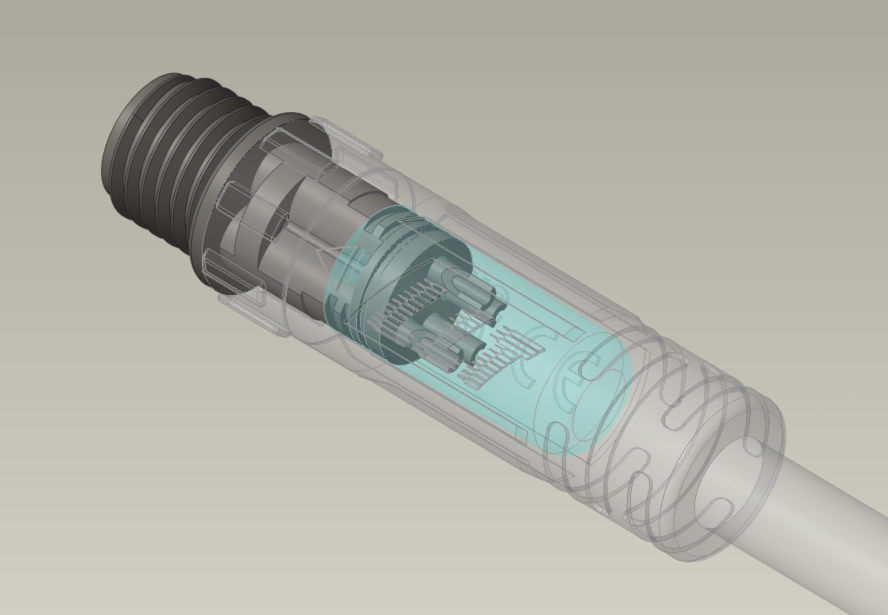
The product range includes circular waterproof connectors, distribution components and custom cable assemblies. Threaded, quick-bayonet and self-locking mechanisms address different operating needs. Tooling, moulding, termination and assembly translate design requirements into repeatable manufacturing and inspection steps.